Featured
Table of Contents
- – Comprehending Anxiousness Through a Neurodiver...
- – The Essential Importance of Proper ADHD Testin...
- – Injury Therapy That Honors Neurodivergent Expe...
- – Somatic Therapy: Healing With the Body's Wisdom
- – Attending To Burnout in Neurodivergent Communi...
- – What Neurodivergence-Affirming Treatment Reall...
- – Discovering the Right Therapeutic Fit
- – The Path Towards Authentic Recovery
The junction of anxiety, trauma, and neurodivergence produces an unique healing landscape that demands specialized understanding. For people that've invested years really feeling misinterpreted by conventional psychological health methods-- specifically those navigating ADHD, autism, or other neurodivergent experiences-- discovering truly attesting treatment can seem like searching for haven. Straighten and Equip Therapy stands for an expanding activity towards restorative solutions that honor neurological diversity while dealing with the real battles of stress and anxiety, injury, and burnout.
ArizonaComprehending Anxiousness Through a Neurodivergent Lens
Stress and anxiety does not manifest evenly throughout all brains. For neurodivergent people, what looks like generalised anxiety commonly comes from worried system dysregulation, sensory overwhelm, or the cumulative effect of concealing authentic neurological patterns to fit neurotypical assumptions. This distinction matters profoundly when picking healing approaches.
Typical stress and anxiety treatment regularly stresses cognitive restructuring-- challenging and changing assumed patterns. While useful for some, this method can fall flat for neurodivergent customers whose stress and anxiety emerges not from altered thinking yet from authentic environmental conflict or the fatigue of browsing a globe designed for different neurological circuitry. Neurodivergence-affirming anxiety treatment recognizes these realities as opposed to pathologizing natural responses to hostile or incompatible environments.
Practices specializing in neurodivergent-affirming care identify that anxiousness treatment have to make up executive function differences, sensory processing variations, and the impact of lifetime experiences of being misunderstood or disregarded. This implies adapting healing pacing, interaction designs, and intervention strategies to match private neurological profiles instead of expecting customers to adapt standard protocols.
The Essential Importance of Proper ADHD Testing and Assessment
ADHD remains one of one of the most misconstrued and underdiagnosed problems, especially in females, people of shade, and people that established sophisticated concealing approaches throughout youth. Numerous grownups look for treatment for anxiety or anxiety without acknowledging that unattended ADHD underlies their battles. Comprehensive ADHD testing supplies clearness that changes treatment strategies and self-understanding.
Quality ADHD assessment expands much past the stereotypical hyperactive child version. Comprehensive analysis checks out executive function throughout several domain names-- functioning memory, emotional policy, job initiation, time understanding, and continual attention. It takes into consideration exactly how ADHD shows up differently throughout sexes, ages, and co-occurring problems, identifying that inattentive-type ADHD regularly gets away detection up until their adult years when enhancing needs bewilder dealing mechanisms.
The worth of appropriate ADHD screening lies not in labeling yet in recognition and instructions. Clients report extensive alleviation when years of perceived individual failure reframe as neurological distinction requiring lodging as opposed to moral adjustment. Examining opens up doors to drug assessment, work environment lodgings, connection adjustments, and restorative interventions specifically designed for ADHD minds as opposed to common methods that unintentionally raise embarassment and aggravation.
Straighten and Encourage Therapy's focus on extensive analysis reflects understanding that precise medical diagnosis essentially changes therapy pathways. Stress and anxiety therapy for someone with undiagnosed ADHD that carries out business systems created for neurotypical minds will certainly stop working repeatedly, strengthening hopelessness. Alternatively, stress and anxiety interventions that account for ADHD-specific obstacles-- such as time blindness, being rejected sensitivity, or sensory overwhelm-- produce lasting modification.
:max_bytes(150000):strip_icc()/Signs-of-childhood-trauma-in-adults-5207979-V1-notext-FINAL-dd4357efb14243b783d8c4a1929a876b.png)
Injury Therapy That Honors Neurodivergent Experiences
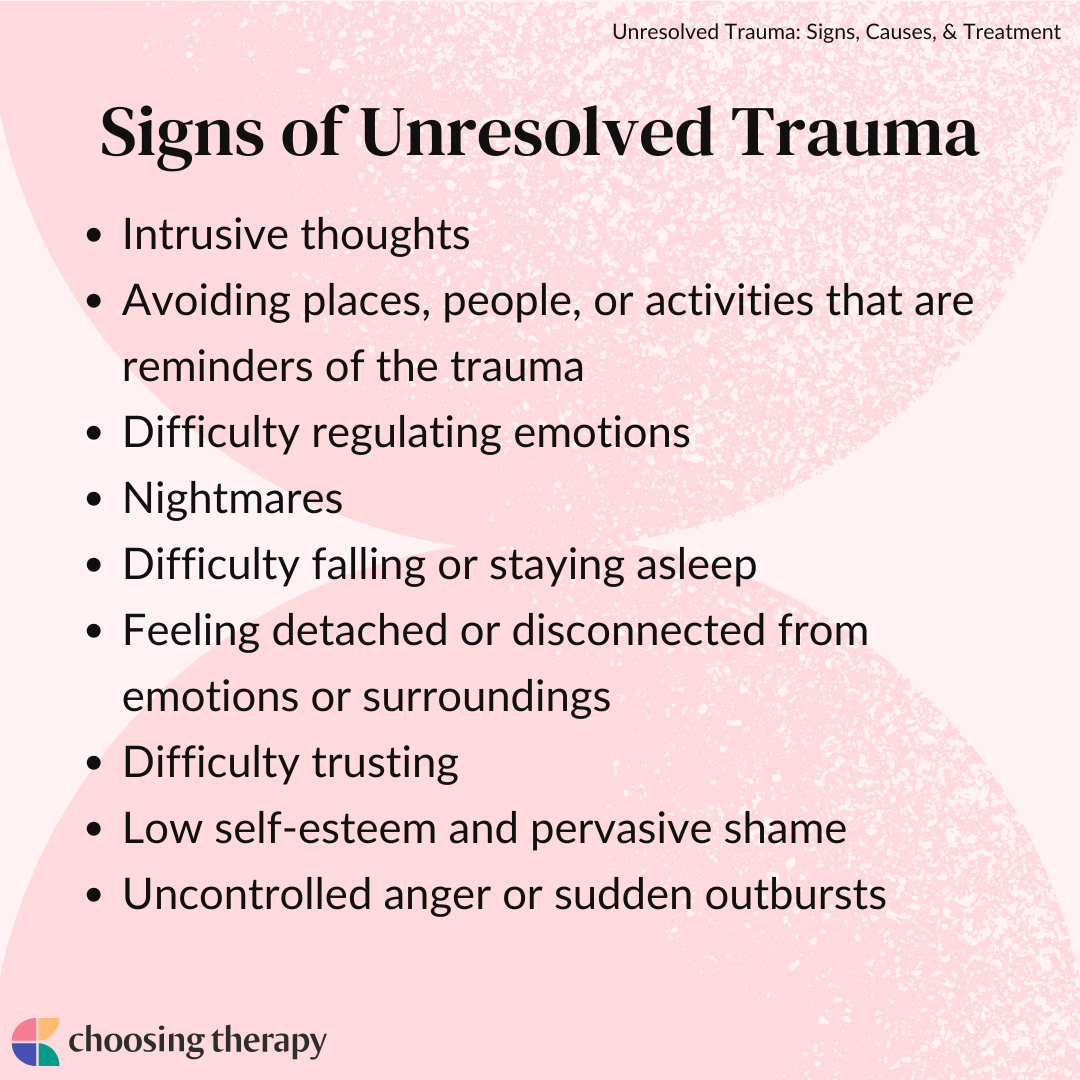
Neurodivergent people experience overmuch high rates of trauma, commonly starting in youth when distinction meets misunderstanding, punishment, or outright misuse. The trauma of forced conformity, duplicated failures in systems made for various brains, intimidation, social exemption, and invalidation by caregivers or specialists produces complex wounding that needs specialized restorative interest.
Injury therapy for neurodivergent clients should browse additional complexity. Standard trauma handling methods may call for adjustment for individuals with exec function challenges, sensory level of sensitivities, or interaction differences. The stiff structure of some evidence-based injury methods can really feel constricting or activating to neurodivergent nerve systems, demanding adaptability and imagination from therapists.
Neurodivergence-affirming injury therapy identifies that some "" signs and symptoms"" standard strategies target for elimination in fact stand for flexible coping mechanisms for neurodivergent individuals browsing neurotypical-dominated atmospheres. The goal changes from normalization to empowerment-- aiding clients procedure authentic trauma while verifying neurological authenticity and structure environments where masking ends up being unneeded for survival.
Somatic Therapy: Healing With the Body's Wisdom
Somatic therapy uses especially effective tools for anxiousness and injury therapy, specifically for neurodivergent individuals that may experience interference in between cognitive awareness and physical experience. This body-centered strategy identifies that injury and anxiousness lodge in the anxious system, not just in thoughts or memories, requiring treatments that involve the body directly.
For customers with alexithymia-- problem identifying and defining feelings, usual in autism and ADHD-- somatic methods give different pathways to healing that do not rely heavily on verbal psychological handling. Methods like body scanning, breathwork, motion, and sensory recognition create chances for nerves law without demanding abilities that may really feel hard to reach.
Somatic experiencing, polyvagal-informed therapy, and sensorimotor psychotherapy help clients recognize their nerve system feedbacks-- battle, flight, freeze, or fawn-- as smart survival mechanisms instead of personal weaknesses. This reframe proves specifically beneficial for neurodivergent customers that have actually internalized embarassment about sensory sensitivities, crises, closures, or various other nerve system reactions that neurotypical-centered treatment could pathologize.
The combination of somatic techniques enables customers to establish interoceptive understanding-- the capacity to feeling inner physical states-- which sustains psychological guideline, boundary-setting, and authentic decision-making. For people whose neurodivergence consists of sensory processing distinctions, guided somatic work provides tools for distinguishing in between ecological bewilder, anxiety, trauma activation, and other inner states that could otherwise blur together confusingly.
Attending To Burnout in Neurodivergent Communities
Autistic fatigue and ADHD burnout represent unique sensations from general work exhaustion, identified by loss of operating, enhanced sensory sensitivity, problem with previously convenient tasks, and deep exhaustion that rest alone does not deal with. These states arise from extended masking, sensory overload, executive feature needs going beyond ability, and the cumulative toll of browsing neurotypical assumptions without adequate assistance.
Exhaustion recuperation requires greater than stress administration techniques. It demands fundamental restructuring of assumptions, environments, and power expense patterns. Treatment practices that recognize neurodivergent fatigue help customers examine their lives for unsustainable patterns-- people-pleasing, perfectionism, overcommitment, or concealing neurological distinctions-- and establish sustainable strategies straightened with actual capacity as opposed to internalized ableist criteria.
Healing from neurodivergent burnout often entails grieving-- mourning the person you believed you need to be, the career course that verified incompatible, the connections that required also much masking, or the lost years invested trying to function like someone with different neurology. Affirming treatment holds space for this sorrow while supporting clients in building lives that honor neurological demands instead than combating them.
What Neurodivergence-Affirming Treatment Really Indicates
The term "" neurodivergence-affirming"" brings considerable weight in therapeutic contexts, distinguishing approaches that recognize neurological differences from those that pathologize or seek to remove them. Attesting treatment acknowledges autism, ADHD, dyslexia, and various other neurological variations as all-natural human variety as opposed to problems requiring remedy.
Trauma TherapyPractically, this shows up in multiple methods. Attesting therapists stay clear of Applied Behavior Evaluation (ABA) and other compliance-based treatments that focus on neurotypical look over autistic wellbeing. They identify stimming as self-regulation instead of habits requiring elimination. They comprehend meltdowns as nervous system bewilder instead than manipulation. They validate the exhaustion of concealing instead than encouraging a lot more innovative camouflage.
Neurodivergence-affirming therapy also resolves the details mental health obstacles that arise from living in neurodivergent bodies within neurotypical-centered culture. This includes supporting clients through medical diagnosis grief, identity reconstruction, disclosure decisions, accommodation demands, and the complex navigation of systems-- health care, education, employment-- typically hostile to neurological distinction.
Discovering the Right Therapeutic Fit
Choosing a therapist for anxiety, injury, or fatigue therapy calls for careful factor to consider when neurodivergence variables into the equation. Beyond qualifications and expertises, fit entails analyzing whether therapists show genuine understanding of neurodivergent experiences versus surface familiarity with diagnostic criteria.
Secret concerns expose healing positioning: Does the specialist view neurodivergence with a clinical model concentrated on shortages, or via a neurodiversity paradigm acknowledging different yet legitimate means of being? Do they motivate covering up to minimize anxiousness, or explore how forced masking produces anxiousness? Can they differentiate in between signs and symptoms requiring treatment and all-natural neurodivergent attributes calling for holiday accommodation?
ToolsAlign and Empower Therapy's approach exhibits the combination of trauma-informed, somatic, and neurodivergence-affirming techniques-- a combination progressively recognized as essential for reliable treatment of anxiety and injury in neurodivergent populations. This integrated structure recognizes that lasting healing needs dealing with both terrible experiences and the recurring anxiety of browsing globe systems misaligned with neurological needs.
The Path Towards Authentic Recovery
https://www.alignandempowertherapy.com/trauma-therapyEfficient therapy for stress and anxiety and injury in neurodivergent people creates room for genuine selfhood instead of continued consistency. It verifies the knowledge of worried system actions while structure regulation capability. It refines real trauma without pathologizing neurological difference. It recognizes that some struggles stem not from internal pathology but from exterior systems requiring modification.
The journey toward healing involves unlearning internalized ableism, reconnecting with authentic needs and preferences, creating self-compassion for neurological differences, and building lives lined up with real ability instead of imposed expectations. It requires therapists that see neurodivergent customers as specialists in their very own experiences, worthwhile of accommodation as opposed to improvement.
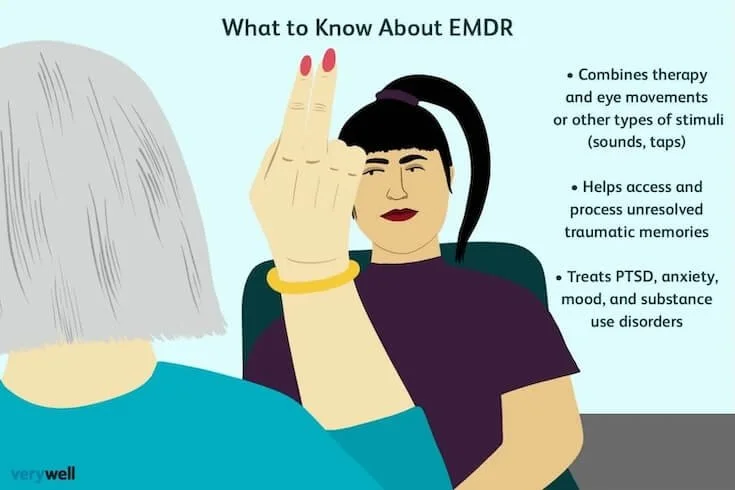
For individuals seeking therapy that honors neurological variety while dealing with actual suffering-- whether from anxiety, injury, burnout, or the cumulative weight of life time misunderstanding-- neurodivergence-affirming techniques provide even more than sign reduction. They offer the opportunity of living authentically, regulated worried systems, and the advanced experience of being truly understood.

Table of Contents
- – Comprehending Anxiousness Through a Neurodiver...
- – The Essential Importance of Proper ADHD Testin...
- – Injury Therapy That Honors Neurodivergent Expe...
- – Somatic Therapy: Healing With the Body's Wisdom
- – Attending To Burnout in Neurodivergent Communi...
- – What Neurodivergence-Affirming Treatment Reall...
- – Discovering the Right Therapeutic Fit
- – The Path Towards Authentic Recovery
Latest Posts
Managing Identity Concerns Via Depth Psychology in Clinical Settings
Eating Disorders and OCD: Specialized Therapy for Professional Athletes, Dancers, and Perfectionists
You Can Achieve Peace and Better Mental Health
More
Latest Posts
Managing Identity Concerns Via Depth Psychology in Clinical Settings
Eating Disorders and OCD: Specialized Therapy for Professional Athletes, Dancers, and Perfectionists
You Can Achieve Peace and Better Mental Health